
Africa is the youngest continent on Earth. Its median age sits just below 20 years, and that number carries a powerful promise. Millions of young people are full of energy, ideas and ambition. Yet, at the same time, many of them struggle to find steady work.
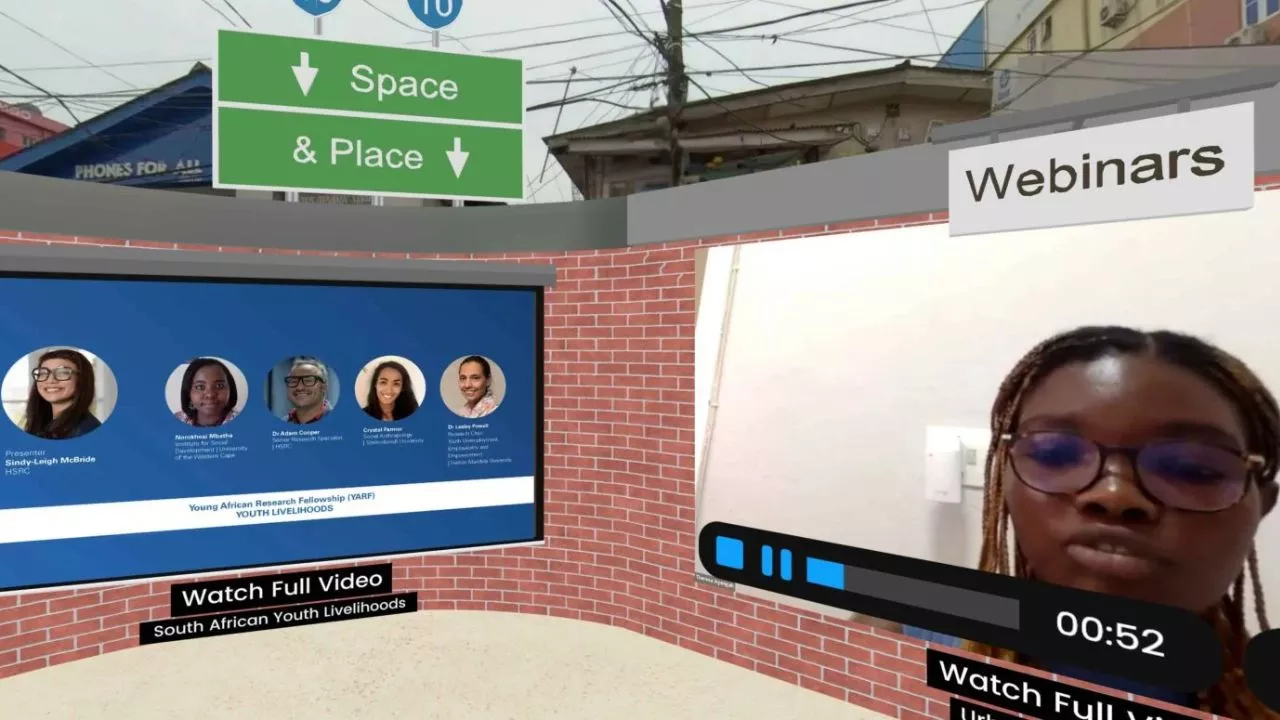
To tell their stories in a fresh way, young researchers in South Africa have built something unusual. It is called the African Youth Livelihoods Virtual Museum. Instead of locking research inside long reports, this digital space uses podcasts, art, webinars and virtual reality to bring real lives to the screen.
Why Africa’s Youth Bulge Matters
A large young population can power a nation forward. In fact, economists often call this a “demographic dividend.” However, that benefit only appears when young people can earn a decent living.
Sub-Saharan Africa currently faces the highest youth unemployment rate in the world. Moreover, formal wage jobs remain scarce. In 2021, salaried work in the formal sector made up less than one in five jobs held by young Africans. Meanwhile, in several countries, the informal economy provides more than 80% of all employment.
Several barriers make the problem worse. For example, many young people lack access to good schools. Others finish their studies only to find that their skills do not match what employers need. In addition, conflict and political instability in some regions shut down opportunities entirely.
Key Numbers at a Glance
| Indicator | Figure |
|---|---|
| Median age of Africa’s population | Just under 20 years |
| Global ranking for youth unemployment (sub-Saharan Africa) | Highest in the world |
| Share of youth jobs in the formal wage sector (2021) | Less than 20% |
| Share of employment in the informal sector (some countries) | Over 80% |
| Research fellows in the programme | 8 |
| African countries represented by fellows | 6 |
| Young artists featured in the gallery | 7 |
The Research Behind the Museum
The virtual museum did not appear out of nowhere. Rather, it grew from a larger research effort called The Imprint of Education (TIE) study, led by South Africa’s Human Sciences Research Council (HSRC).
Under this study, the HSRC launched the Young Africa Research Fellows Programme with funding from the Mastercard Foundation. The programme gathered eight fellows from six African countries. Together, they examined the deep structural barriers that block young people from building secure livelihoods.
Because the team came from different disciplines, they looked at the issue from many angles. As a result, one of their most creative outputs became the virtual museum itself.
A Digital Space Set in Lagos
Most museums sit in quiet buildings. This one, by contrast, feels like a busy African street. Its visual backdrop is a 360-degree photograph of Computer Village in Lagos, Nigeria. This lively area is one of West Africa’s best-known hubs for phones, gadgets and tech trading.
The photo was taken by one of the young artists featured in the museum. Consequently, the setting captures the noise, colour and energy of urban African markets. It also blends that market spirit with a strong sense of digital innovation.
What Visitors Can Explore
The museum brings together several distinct features. Each one aims to lift youth voices and show daily realities in an honest way.
| Feature | What It Offers |
|---|---|
| Hustling the African Dream podcast | Candid interviews with young people about struggle, resilience and the daily hustle |
| Webinar series | Expert sessions on economic history, urbanisation, gender, conflict and entrepreneurship |
| Virtual art gallery | Artwork by seven young African artists depicting informal work life |
| Virtual reality experience | An immersive Frame VR setting that lets users “walk” through African spaces |
The Hustling the African Dream Podcast
First, the podcast gives young people a microphone. Guests from many backgrounds speak openly about how they survive and keep going. For instance, related stories have looked at motorcycle taxi riders in Malawi. Similarly, others have followed young Kenyans who turn the country’s waste problem into small businesses.
Webinars With Expert Insight
Next, the webinar series digs into the bigger forces at play. Topics include economic history, the rapid growth of cities and the role of gender. Furthermore, sessions explore how conflict, political instability and entrepreneurship shape young people’s choices.
A Gallery of Young African Art
The art gallery adds an emotional layer. Seven young artists use visual work to portray life in the informal economy. Therefore, visitors can feel the texture of these work environments, not just read about them.
Stepping Inside Through Virtual Reality
Finally, the VR experience uses Frame VR technology. Users can move through simulated African settings at their own pace. In turn, this kind of immersion helps build empathy that numbers alone rarely achieve.
Turning Dense Research Into Real Stories
Academic findings are often hard for the public to digest. Long reports, complex charts and technical language can push readers away. The museum tackles that gap directly.
By mixing VR with podcasts and visual art, the platform presents tough socioeconomic issues in a friendly format. As a result, both research findings and personal stories become easier to understand. This approach also improves “research uptake,” meaning more people actually use the knowledge.
A Vision for Lasting Change
The team behind the museum has big hopes for its future. Above all, they want the stories of marginalised African youth to reach audiences around the world.
They also hope to break down common stereotypes about young Africans. Showing youth perspectives as authentically as possible, they believe, can build real understanding.
Beyond that, the museum aims to become a practical tool for decision-makers. Policymakers, civil society groups, private companies and development agencies can all use it. Ideally, it will spark conversations across these sectors and inspire fresh research. Ultimately, the goal is to uncover evidence-based solutions to Africa’s youth employment crisis.
A Living Platform That Keeps Growing
The digital foundation of the museum is now complete. Still, its real strength lies in what comes next. The platform is designed to evolve, adding new content, voices and experiences over time.
In this sense, it works like a real-time mirror. As youth livelihoods across Africa shift and change, the museum can shift with them. Over time, it may become a go-to resource for researchers, policymakers and anyone curious about life for young Africans today.
Researcher Zimingonaphakade Sigenu, from the HSRC’s Equitable Education and Economies division, has been closely involved with the project. The work shows how interdisciplinary teams can turn serious research into stories that people actually want to hear.
Why This Project Matters
Africa’s young people are not just statistics. Each figure on unemployment hides a person with dreams, skills and a plan to get by. The African Youth Livelihoods Virtual Museum puts those people front and centre.
By blending solid research with creative storytelling, it offers a new model for sharing knowledge. More importantly, it reminds the world that solving the youth jobs crisis starts with listening.
Research contact: Zimingonaphakade Sigenu, a researcher in the HSRC’s Equitable Education and Economies division
1 thought on “Africa’s Youth Livelihood Challenge: Amplifying Voices Through a Virtual Museum”